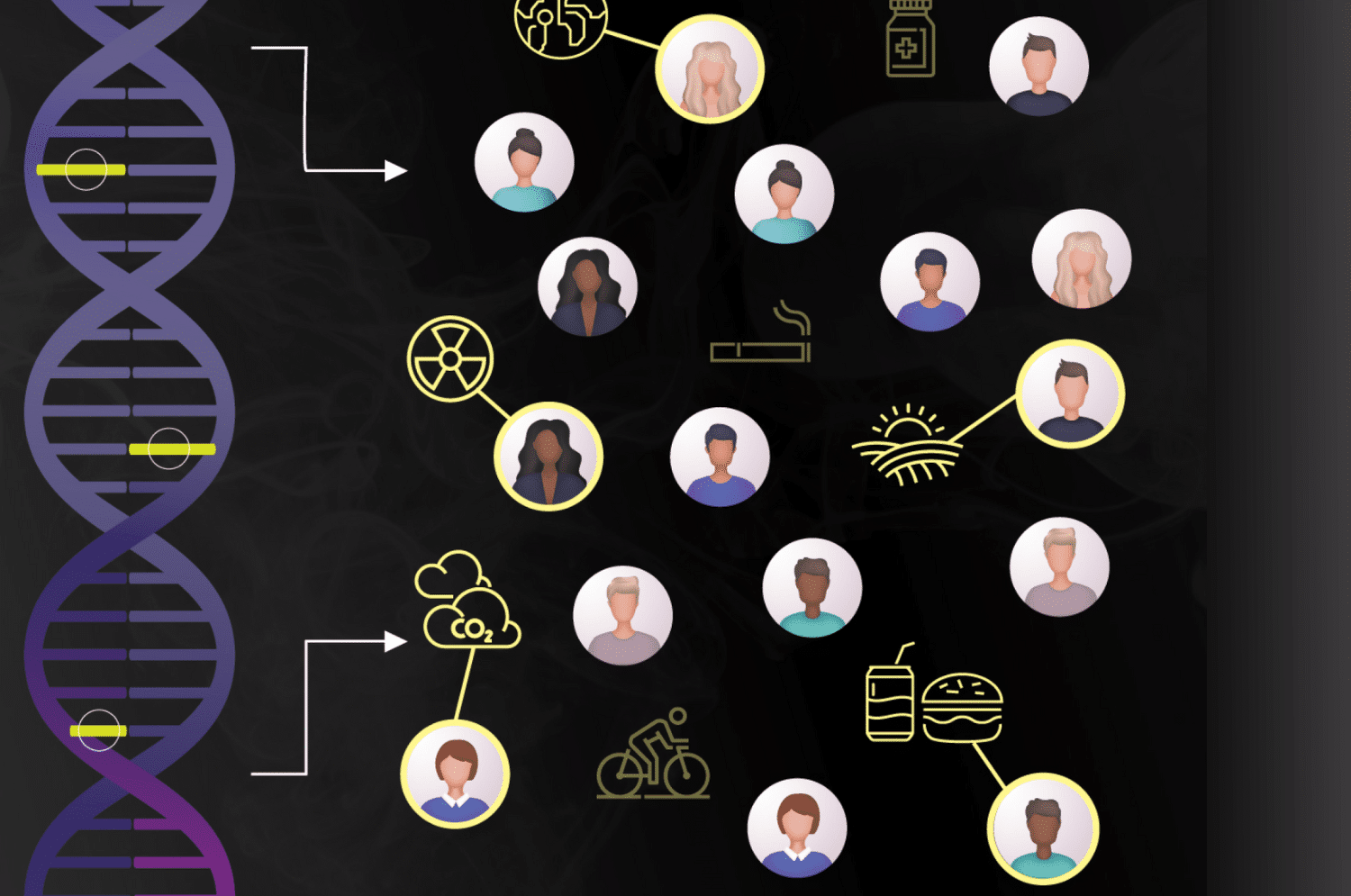
Comprehensive measurement of the human metabolome is essential to explain phenotypic variability among individuals who share similar genetic backgrounds, clinical diagnoses, or lab values.
>13K reference standards to maximize IDs
Unique ability to cross-validate biomarker discoveries in our molecular-clinical database

Discover more with mechanistic context. Validate what others can only hypothesize.
Small molecule biomarkers read out non-genetic factors and exposures that cannot be captured with traditional omics approaches, providing a rich resource for discovery of novel biology. Our proprietary rapid liquid chromatography-mass spectrometry (rLC-MS) systems enable robust profiling of this complex chemistry at scale to decipher dynamic disease biology.

Given the dynamic complexity of small molecule biomarkers, it is critical to understand how they behave across populations of individuals representing different lifestyles, geographies, disease states, and timepoints.
Sapient’s DynamiQ™ Insights Engine enables just that. Comprised of rLC-MS-generated metabolomics data and matched EHR data from 67,000+ longitudinally collected human plasma samples, we can assess metabolite and lipid biomarker changes across diverse patients and over time to uncover dynamic drivers of disease and drug response.

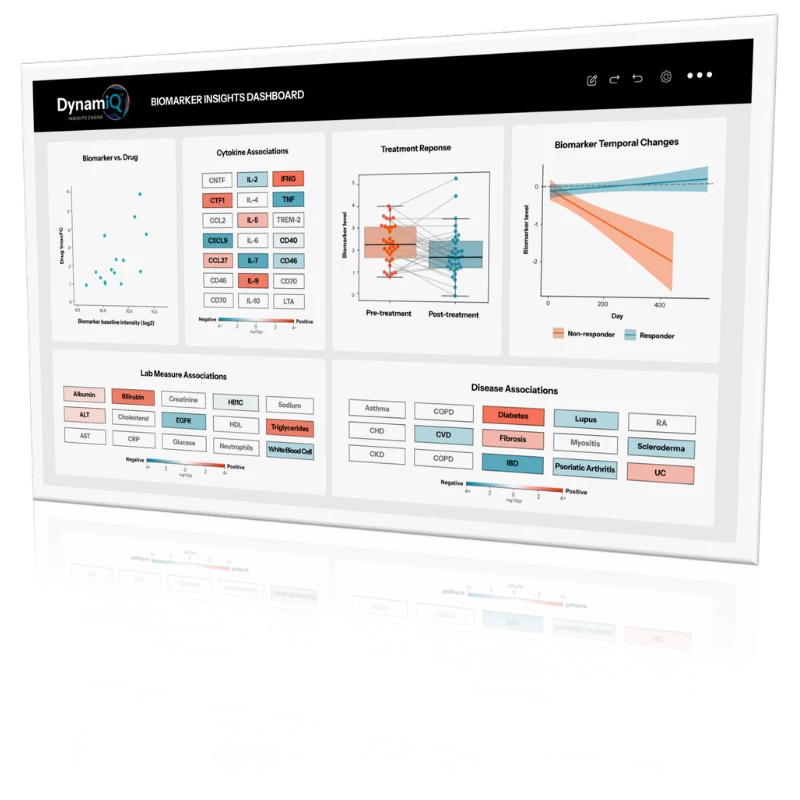
We provide a scalable way to rapidly map functional metabolic states in humans, going beyond the genome to resolve phenotypic variability.
Sapient leverages our extensive metabolite identification capabilities and DynamiQ reference datasets to rapidly build functional evidence.
As a comprehensive multi-omics partner, we can generate additional omics datasets in your same samples for deeper molecular insights.
See the power of the rLC-MS platform exemplified in this study, in which the technology was applied to analyze >26,000 plasma samples to generate novel findings, including distinct metabolic phenotypes (“metabotypes”) that may predict altered disease risk and a dynamic metabolic aging clock.
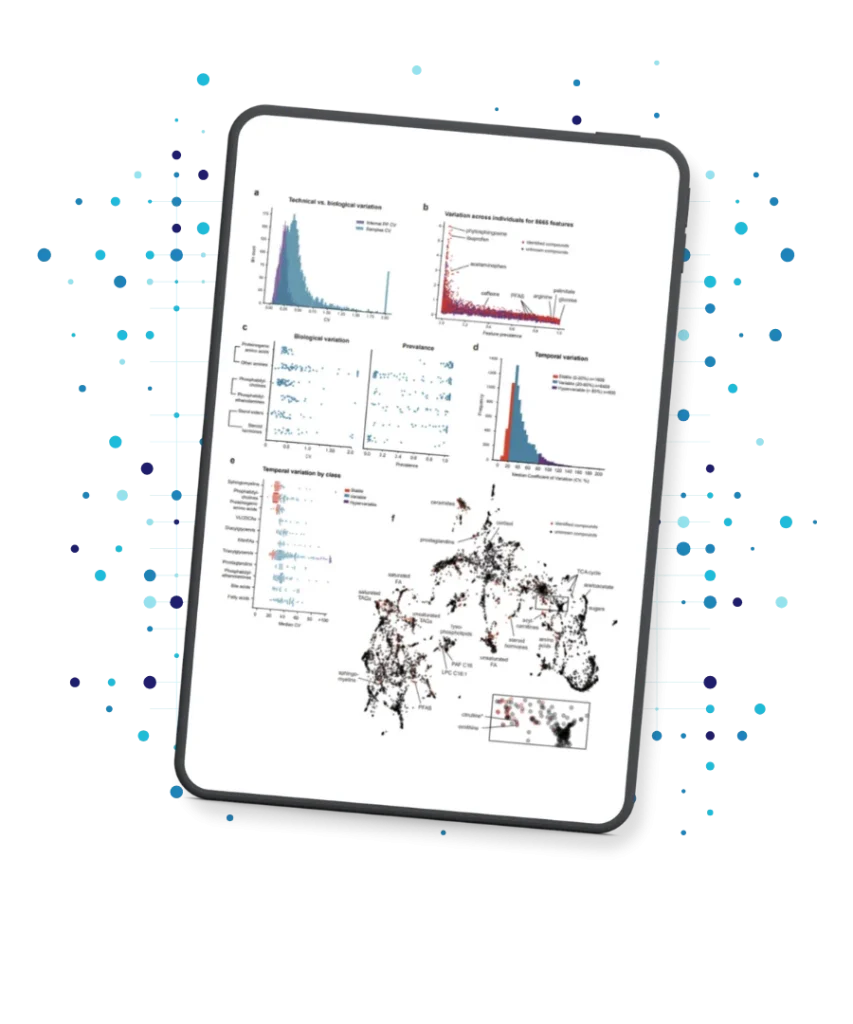

Sapient’s discovery metabolomics platform is powered by proprietary rapid LC–MS (rLC‑MS) technology, engineered for both metabolome coverage depth and high throughput. In a single analytical run, our workflows capture over 15,000 metabolites and lipids, enabling comprehensive coverage of metabolic pathways at a scale and pace that traditional metabolomics approaches cannot achieve. This combination of breadth and efficiency unlocks biomarker discovery efforts that were previously impractical due to time, cost, or sensitivity constraints.
To ensure the biomarkers we identify are biologically meaningful and clinically relevant, we pair deep profiling with rigorous metabolite identification. Our in‑house library of more than 13,000 chemical reference standards – curated across core human pathways, biochemical processes, and disease mechanisms – allows us to move beyond features and confidently assign molecular identities.
Most importantly, Sapient is uniquely positioned to translate discovery into real‑world insight. As the only multi‑omics partner with a proprietary molecular‑clinical database – DynamiQ™ – comprising nontargeted metabolomics data from over 67,000 human samples, we can not only analyze your study samples, but also contextualize and independently validate candidate biomarkers across large, diverse human cohorts – strengthening confidence in their relevance and specificity.
Traditional molecular profiling approaches (genomics, proteomics) remain insufficient to explain phenotypic variability among individuals who share similar genetic backgrounds, clinical diagnoses, or lab values. Discovery metabolomics data, through the capture of metabolites and lipids, provides the most direct readout of physiological activity, capturing the dynamic biochemical processes that drive disease and therapeutic response.
With this data, researchers can begin to ask:
You can also explore our metabolomics case studies and data published in collaboration with our clients.
Sapient’s metabolite identification capabilities have been developed to maximize definitive identifications for a study and elucidate more unknown molecules to advance novel discoveries.
As such, we have generated multi-parameter rLC-MS data on >13,000 chemical reference standards, enabling us to assign MSI Tier 1 identification to up to 1,400 metabolites and lipids measured in plasma and tissue biosamples. All identified compounds undergo rigorous quality control including visual inspection of peak shape and retention time consistency across all samples, as well as confirmation that no identified compound represents an isotope, adduct, or in-source fragment of another signal.
For those molecules that remain unannotated, Sapient leverages our database of over 6 million MS2 spectra across 850,000+ compounds to provide putative structural insights for hundreds to thousands of additional metabolites, enabling advancement of novel discoveries.
Discovery metabolomics, also called untargeted metabolomics, is a broad, discovery-driven approach that measures as many metabolites as possible in a sample simultaneously – without specifying in advance which compounds will be measured. It is designed to capture the full metabolic picture and dynamic changes in human disease states, making it ideal for hypothesis generation, biomarker discovery, and identifying unexpected biological signals.
Targeted metabolomics, by contrast, focuses on a predefined set of metabolites that are quantified with high precision and sensitivity. This approach is better suited for validation studies, clinical assays, or programs where the metabolites most relevant to the study’s biological question(s) are already well-established and known.
The two approaches are complementary: untargeted metabolomics helps to uncover the most biologically relevant signals and compounds – whether they are novel or already known – and targeted metabolomics allows key metabolites to be translated as biomarkers for clinical applications.
Sapient’s metabolomics services span both sides – with discovery workflows that provide the broadest possible view to maximize novel discovery, and target panels that focus in on specific classes of chemistries and known small molecule biomarkers.
DynamiQ offers a population‑scale molecular and clinical reference dataset designed to validate and biologically interpret insights generated from your study. By enabling analyses across independent human cohorts, DynamiQ supports confirmation of biomarker signals, exploration of disease progression, interrogation of biomarker–disease relationships, and discovery of biologically meaningful patient subgroups.
DynamiQ can also be applied upstream of experimental work. Using our deeply characterized, pre‑existing datasets, we can help you explore hypotheses, evaluate potential biomarkers, and run virtual analyses in human cohorts – guiding refinement of study design and target prioritizatio before generating new data.
When relevant, we include biological contextualization analyses in DynamiQ for the key biomarker(s) of interest observed in your discovery metabolomics study. We can also further tailor bespoke analyses to delve deeper into specific characterization and modeling using our DynamiQ data.
Submit a question or discovery metabolomics study request via the form, or click the button below to schedule a meeting with our scientists.
"*" indicates required fields